Chinese and Chinese-American culinary reading
A shared table.
A world of stories.
Thirty original articles about culinary context, food-history sources, recipe planning, ingredients and useful kitchen notes.
Start here · Food and cultural context
Read the menu.
Keep the context.
Read the individual description before assigning a tradition.
Read the guide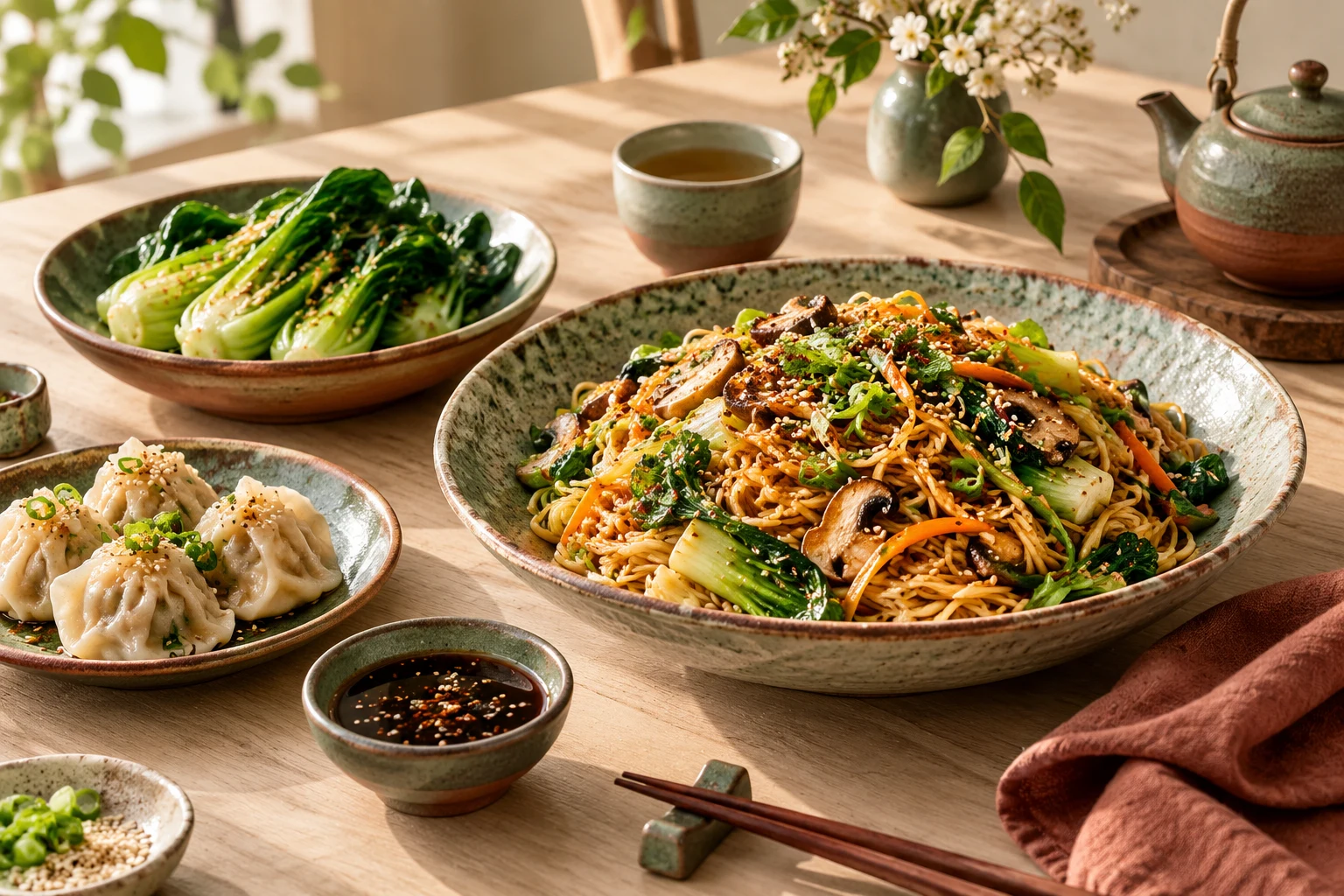
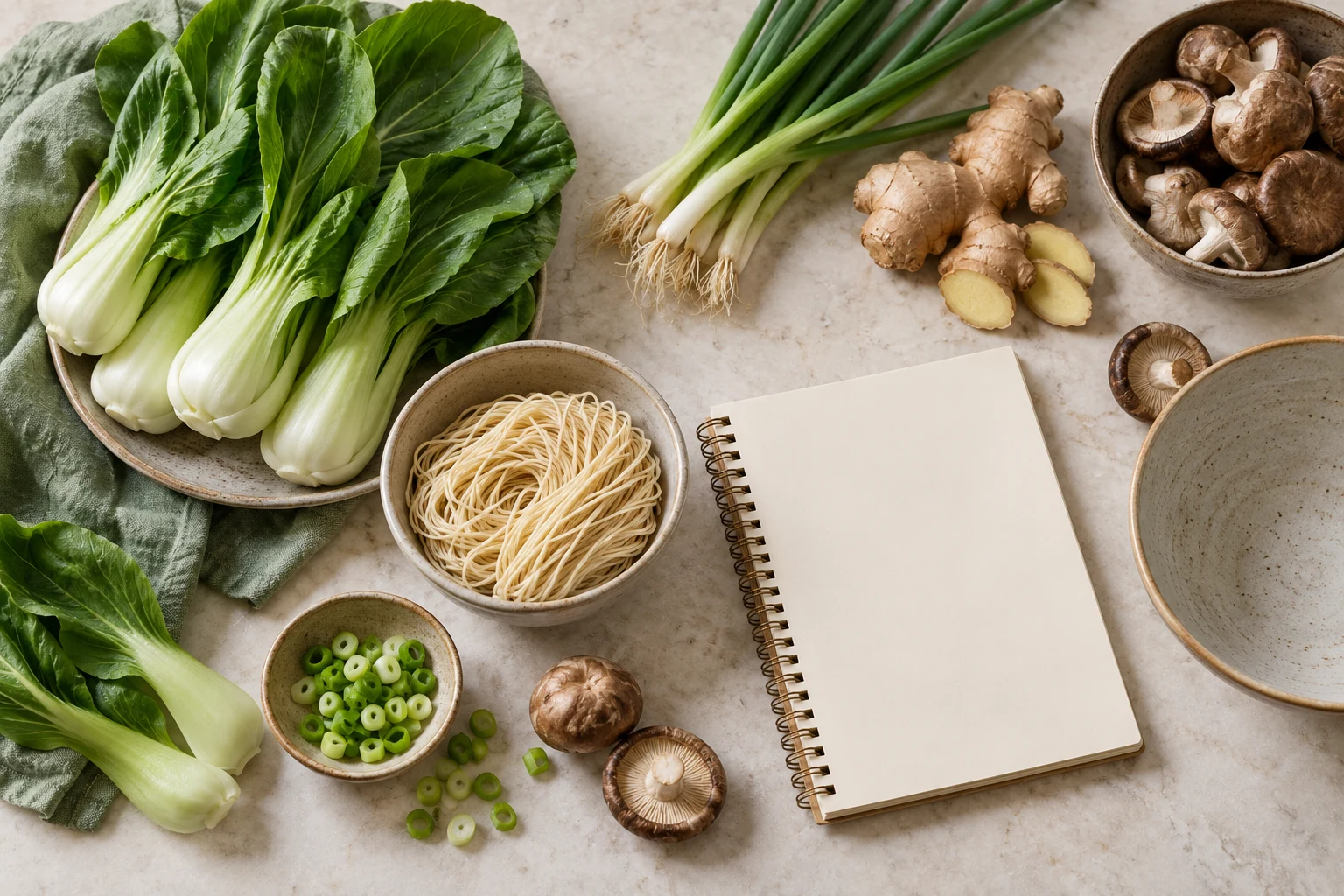
Read the historical record
Read a Historical Menu as an Object
Ingredients and methods
Describe Ginger and Scallions Through the Dish
Food and cultural context
5 articlesFood and cultural context
A Menu Is Not One Complete Regional Cuisine
Read the individual description before assigning a tradition.
Read the articleFood and cultural context
Dish Names and Their Translation Limits
A translated name may leave practical details unstated.
Read the articleFood and cultural context
Food Stories Have a Particular Speaker
Keep a first-person account in its own context.
Read the articleFood and cultural context
Home Cooking and Restaurant Cooking
Two settings can organise the same idea differently.
Read the articleFood and cultural context
Regional Diversity Belongs in the Description
Be specific about what the source actually identifies.
Read the articleRead the historical record
5 articlesRead the historical record
Read a Historical Menu as an Object
Date and provenance help explain what it can show.
Read the articleRead the historical record
Cookware Can Carry a Cultural Story
An object’s role extends beyond its appearance.
Read the articleRead the historical record
Ingredients Change with Their Setting
Availability can be part of an adaptation story.
Read the articleRead the historical record
Culinary Teaching Can Connect Food and Culture
A class can explain more than a finished dish.
Read the articleRead the historical record
Build a Source List for a Food-History Article
Keep the object, account and interpretation separate.
Read the articlePlan the preparation
5 articlesPlan the preparation
Read the Ingredient List and Method Together
Find each ingredient’s place before beginning.
Read the articlePlan the preparation
Arrange Preparation into Stages
Waiting and active work need different places in the plan.
Read the articlePlan the preparation
A Small Shared Meal Needs a Realistic Scope
Plan from the recipes and people actually involved.
Read the articlePlan the preparation
Fresh and Dried Noodles Need Their Own Instructions
A similar shape does not establish identical preparation.
Read the articlePlan the preparation
Record a Substitution as an Experiment
Your change should not disappear into the source recipe.
Read the articleIngredients and methods
5 articlesIngredients and methods
Describe Ginger and Scallions Through the Dish
Use culinary observations without adding health promises.
Read the articleIngredients and methods
Compare Mushroom Texture in a Cooking Notebook
Name the actual product and preparation.
Read the articleIngredients and methods
Plan Leafy-Vegetable Preparation
Let the actual produce and recipe guide the sequence.
Read the articleIngredients and methods
Cooking-Method Words Describe Different Processes
A method name does not contain the whole recipe.
Read the articleIngredients and methods
Keep Measurements Consistent
An amount needs a unit and an ingredient context.
Read the articleWrite useful kitchen notes
5 articlesWrite useful kitchen notes
Scaling a Recipe Has Practical Limits
Equipment and timing may not scale with the arithmetic.
Read the articleWrite useful kitchen notes
A Useful Cooking Note Describes What Happened
Separate an observation from the change you propose.
Read the articleWrite useful kitchen notes
An Adaptation Is Not a Historical Reconstruction
Name the work you actually performed.
Read the articleWrite useful kitchen notes
Food Photographs Need an Honest Caption
Show what the image can actually establish.
Read the articleWrite useful kitchen notes
Write a Dish Description with Useful Details
Flavour words work better with concrete context.
Read the articleLabels and careful handling
5 articlesLabels and careful handling
Read Packaged Sauce Labels Each Time
A familiar product name is not its full composition.
Read the articleLabels and careful handling
Ask Ingredient Questions Without Promising Allergy Safety
A menu description is not a complete risk assessment.
Read the articleLabels and careful handling
Keep Raw Ingredients Separate from Ready-to-Eat Food
The preparation sequence should respect handling guidance.
Read the articleLabels and careful handling
Plan Leftover Storage Before Finishing the Meal
The storage task belongs in the preparation plan.
Read the articleLabels and careful handling
An Organised Recipe Folder Keeps Context Visible
Preserve the author and version with your notes.
Read the articleA considered approach.
Independent culinary journal with fictional illustrations. No current restaurant menu, ordering service or allergy assurances.